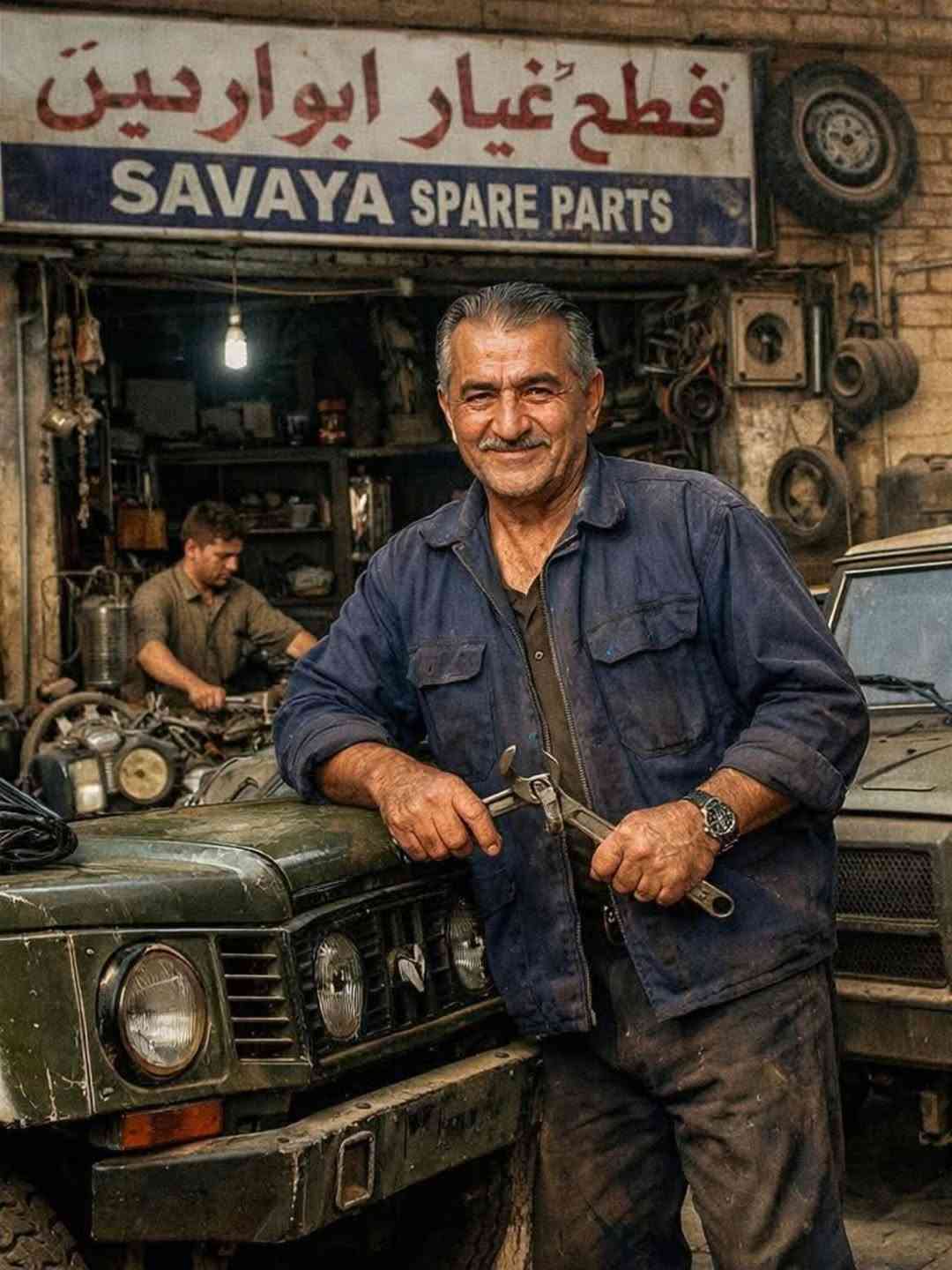
سافايا السماوة: من كوبنهاغن إلى أبو أُردين في منطقة العميد لم يكن سافايا غريبًا عن السماوة، حتى حين كان بعيدًا عنها. فالمدينة التي تعرف أبناءها لا تنساهم، وإن غابوا خلف البحار، تعيدهم في الذاكرة كما تعيد الريح رائحة الطين إلى الصحراء بعد المطر. في الصوب الصغير من السماوة، بعد ثورة تموز، فتح سافايا وأخوه إميل بارًا صغيرًا لا يشبه الخمارات المعتادة. لم يكن مكانًا للسكر بقدر ما كان مجلسًا للكلام، تُدار فيه النقاشات أكثر مما تُدار الكؤوس. كان يرتاده مثقفو المدينة، مدرسوها، شعراؤها، وبعض الحالمين الذين ظنوا أن الثورة لا تكتمل إلا إذا شربت معها الموسيقى. لكن سافايا لم يكن تاجر مشروبات روحية بالمعنى السهل للكلمة. كان يعرف أن الكأس لا تصنع رجلًا، وأن الغناء وحده لا يبني مدينة. لذلك، في الصباح، كان شخصًا آخر تمامًا: تاجر قطع غيار سيارات أبو أُردين الألمانية، تلك السيارة الصبورة التي تشبه أهل السماوة، تمشي مع الأغنام والإبل، وتعرف طرق الصحراء كما يعرفها الرعاة. كان يبيع القطعة، ثم يشرح كيف تعيش معها السيارة، وكأنها كائن حي لا حديدًا صامتًا. عمل سافايا ليلًا ونهارًا. في النهار مع الغبار والحديد، وفي الليل مع الكلام والناس. شيئًا فشيئًا، صار اسمه يتردد أكثر من أسماء الشيوخ، لأن الشيخ يُورَث، أما سافايا فصنع نفسه بيده. كان يعرف من أين يُؤكل الخبز، ومن أين تُدار الأمور، ومتى يُقال نعم، ومتى يُترك الصمت يتكلم. وحين مضت السنوات، وابتعد جسده شمالًا، حتى كوبنهاغن، لم تنقطع خيوطه عن السماوة. من الدنمارك كان يرى المحافظة الوليدة تتشكل، ميزانياتها تُرسم، وعقاراتها تُقسَّم، وأحلامها تُدار على الطاولات قبل أن تصل إلى الدوائر. لم يكن في منصب، ولم يحمل لقبًا رسميًا، لكنه كان حاضرًا في التفاصيل الصغيرة التي تصنع القرارات الكبيرة. صار يُقال في السماوة: من دخل بار سافايا كسب، ومن أعرض عنه خسر. ليس لأن البار سحر، بل لأن المكان صار مرآة لعلاقات المدينة الجديدة، حيث تختلط السياسة بالتجارة، والذكاء الاجتماعي بالحاجة، والفرصة بمن يعرف كيف يمسك بها. سافايا لم يكن ملاكًا ولا شيطانًا. كان ابن مرحلة، يعرف أن المدن لا تُدار بالشعارات وحدها، ولا بالمال وحده، بل بخيط رفيع من الفهم: متى تتحرك، وأين تقف، ومن تصغي إليه. فهم السماوة كما فهم الصحراء؛ لا تعطيك كل شيء دفعة واحدة، لكنها تكافئ من يصبر ويعرف اتجاه الريح. وحين يُسأل عنه اليوم، يقول بعضهم: هو دنماركي الإقامة، سماوي الروح، أبو أُردين في العمل، ومقهى كامل في الذاكرة. ويقول آخرون: هو قصة مدينة تعلّمت أن رجالها لا يأتون دائمًا من المنصات العالية، بل أحيانًا من باب بار صغير، أو من قطعة غيار تُنقذ سيارة في قلب الصحراء. وقبل أن يستقر سافايا في بقائه الطويل خارج المدينة، وقبل أن تصبح كوبنهاغن عنوانًا دائمًا في سيرته، التفتت إليه عيونٌ أخرى؛ عيون لم تكن ترى في البار تجارةً ولا في السفر رزقًا، بل رأت خطرًا يتجاوز الحسابات اليومية. قيل يومها إن من فتح له الباب أول مرة، ومن سهّل له الإجازة والسفر، عاد فغيّر نبرته، فانهالت كلمات التحذير تحت عناوين كبيرة: الخطر على الدين، وحدود المباح، والخشية من التأثير في المجتمع أكثر مما ينبغي. لم تكن الرسالة مباشرة، لكنها كانت واضحة بما يكفي. أُرسل بعض المتشددين لا ليغلقوا المكان، بل ليضعوا إشارة على الطريق: قف هنا، ولا تتقدم أكثر وهذا الراشدي في الشارع علامة مصورة. التجارة مرحّب بها، والعلاقات بين البلدان مقبولة، لكن ما عدا ذلك—الدين، والمجتمع، والأحزاب—له خطوط مرسومة لا يجوز تجاوزها. كان المطلوب أن يبقى سافايا ورقة تفاوض، لا فكرة؛ قناة منفعة، لا صوتًا؛ اسمًا يُستخدم عند الحاجة، لا تأثيرًا يمتد خارج الحسابات. هكذا احتوته بعض التيارات الإسلامية لا حبًا به ولا رفضًا له، بل بوصفه أداة في ميزان المصالح: مرة يُقرَّب، ومرة يُذكَّر بالحدود. فهم سافايا الإشارة مبكرًا، كما يفهم التاجر تغيّر السوق قبل أن ينهار، فعاد إلى لعبته القديمة: الصمت الذكي، والحركة المحسوبة، والبقاء داخل المسافة التي تسمح له بالعمل دون أن تستدعي العاصفة وهكذا، بقي سافايا… لا كأسًا فارغًا، ولا سيارة معطلة، بل رجلًا عرف كيف يربط كوبنهاغن بإيطاليا و بالسماوة، والصوب الصغير بالصحراء، وأبو أُردين بحياة تمشي ولا تتوقف. Savaya of Samawah: From Copenhagen to Abu-Urdin Savaya was never truly absent from Samawah, even when distance placed him far from it. Cities that recognize their own rarely forget them; they preserve their figures in memory, returning them again and again through stories, gestures, and unfinished conversations. In the small eastern bank of Samawah, shortly after the July Revolution, Savaya and his brother Emil opened a modest bar. It was not an ordinary drinking place. Alcohol was served, but it was not the center of gravity. The bar quickly became a gathering space for the city’s intellectuals—teachers, poets, civil servants, and restless dreamers who believed that revolutions required conversation as much as slogans. Music filled the evenings, but debate filled the air. Yet Savaya was not, in essence, a merchant of spirits. He understood early that a glass could not build a life, nor could singing alone sustain a city. By day, he was something else entirely: a trader in spare parts for the German Abu-Urdin vehicle, the sturdy machine that crossed the Samawah desert alongside sheep and camels, trusted by herders and drivers alike. He sold parts the way others sold advice, explaining how the vehicle endured heat, dust, and distance—as if it were a living creature rather than steel. He worked relentlessly, day and night. By daylight, among dust and engines; by night, among people and words. Gradually, his name carried more weight than that of traditional notables. Titles were inherited, but Savaya’s position was earned. He understood the rhythm of the city—when to speak, when to wait, when to move quietly, and when to act decisively. As years passed, his physical presence shifted northward, eventually reaching Copenhagen. Yet his ties to Samawah remained intact. From Denmark, he followed the emergence of the young governorate, observing how budgets were allocated, properties redistributed, and decisions shaped long before they appeared in official offices. He held no formal position and claimed no authority, but he existed in the small details where real power often resides. It became common to say in Samawah: those who frequented Savaya’s bar gained, and those who avoided it lost. Not because the place itself possessed magic, but because it had become a mirror of the city’s evolving networks—where commerce, politics, personal intelligence, and necessity intersected. Before Savaya’s stay abroad became settled and before Copenhagen turned into a fixed point in his life, other forces began to take notice of him. Those who had once facilitated the opening of the bar and eased his travel permission now reassessed his presence through a different lens. What had initially been tolerated as commerce was suddenly reframed as a potential threat—this time not to markets, but to religious and social boundaries. The warning did not come as an official decree, nor as a direct confrontation. Instead, it arrived through intermediaries: a small group of hardliners sent to deliver an unmistakable signal. He was expected to stop at a certain limit and not cross the invisible lines that separated acceptable trade from cultural influence, and economic exchange from religious or political impact. Business relations between countries were permissible; shaping ideas, identities, or party dynamics was not. In this context, certain Islamic political actors sought to contain Savaya rather than confront him—absorbing him as a bargaining card rather than rejecting him outright. He was neither embraced nor excluded, but carefully positioned: useful when needed, restrained when convenient. Savaya understood the message early, with the instinct of a seasoned trader who senses a shift in the market before it becomes visible. He adjusted accordingly—lowering his profile, narrowing his role, and remaining within a calculated distance that allowed him to operate without provoking a storm. Savaya was neither saint nor villain. He was a product of his time. He understood that cities are not governed by ideals alone, nor by money alone, but by a delicate awareness of limits—when to advance, where to pause, and whom to listen to. He read Samawah as he read the desert: it does not give everything at once, but it rewards patience and those who understand the direction of the wind. Today, when his name is mentioned, some say: he lived in Denmark, but remained Samawi in spirit; worked with Abu-Urdin by trade; and left behind not a bar, nor a business, but a chapter of the city’s memory. Savaya remains a reminder that power does not always descend from high platforms. Sometimes it enters quietly—through a small bar door, a spare part sold at the right moment, or a man who knew how to connect Copenhagen to Samawah, the desert to the city, and movement to survival. **إذا كنت صاحب هذا الإعلان وتريد حذفه لأي سبب، رجاءا أرسل رسالة إلى الدعم الفني**
بالاتفاق
التفاصيل
قسم
قطع غيار
السعر
بالاتفاق
العنوان
السماوة
وقت النشر
قبل ١١ ساعات
إعلانات مشابهة
بالاتفاق
كفرات ماكس • سعر خاص • رميثه
بالاتفاق
الرميثه شارع العام • ١٧ ٦٥ ٢٦٥ • ١٦ ٧٠ ٢٦٥
بالاتفاق
قطع غيار صيني • تفصيخ • حي الحكيم
٢٠٬٠٠٠ دينار
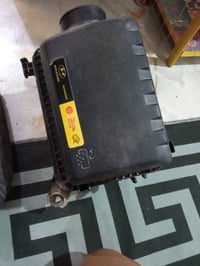
النترا 20 • قطع غيار • المثنى الرميثه
٥٠٬٠٠٠ دينار
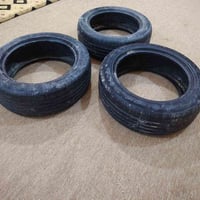
٣ تواير اوبتما • ٢٠ إنش • سماوة
٧٠٬٠٠٠ دينار
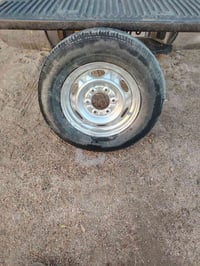
سبير نيسان • ١٥انش • قضاء الخضر
بالاتفاق
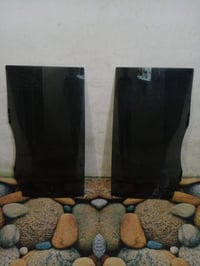
سينا 2011-2020 • كرنفال 2022-2026 • السماوه الرميثى
بالاتفاق
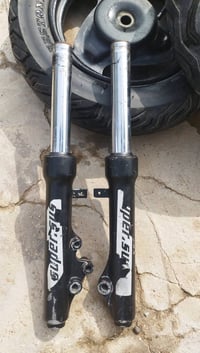
قطع غيار صيني • تفصيخ • حي الحكيم
٤٠٬٠٠٠ دينار
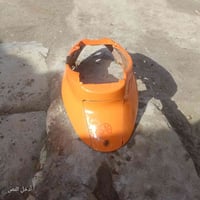
كفرات نضيف • برتقالي • سماوه حي النفط
٣٬٧٢٥٬٠٠٠ دينار
سماوه • طقم جنوط ١٦ • جديد كامل
بالاتفاق
سوناتا • زوج دبل • ٢٠٠٦-٢٠١٠
بالاتفاق
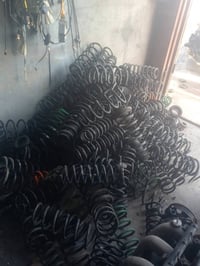
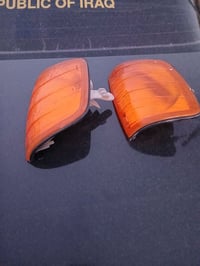
أشاير سيارة • دبل يسار ويمين • السماوة
نصائح سريعة قبل ما تشتري
تأكد من المعلومات (السعر، الموقع، الحالة) وقارن مع إعلانات مشابهة حتى تعرف السعر الطبيعي.
لا تحول مبالغ مقدماً، وخلي التواصل عبر رقم واضح، واتفق على لقاء بمكان آمن.